Overview of CuSn10 Powder
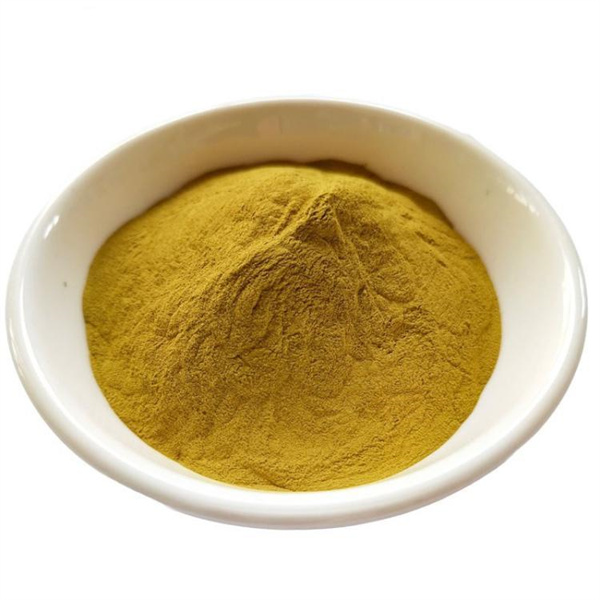
CuSn10 poeder is een koper-tin legering met ongeveer 10% tin en de rest koper. Het biedt een uitstekende combinatie van sterkte, taaiheid, corrosiebestendigheid, slijtvastheid en wrijvingsbestendigheid.
Key properties and applications of CuSn10 powder include:
CuSn10 Powder Properties and Characteristics
| Eigenschappen | Details |
|---|---|
| Samenstelling | 90% copper, 10% tin |
| Dikte | 8.8 g/cc |
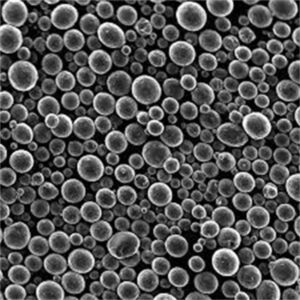
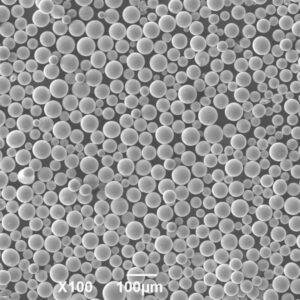
| Deeltjesvorm | Onregelmatig, hoekig |
| Maatbereik | 5-150 micron |
| Schijnbare dichtheid | Tot 50% ware dichtheid |
| Vloeibaarheid | Gematigd |
| Kracht | Excellent for Cu alloy powder |
| Ductiliteit | Goed |
| Corrosieweerstand | Erg goed |
CuSn10 is widely used in bearing cages, bushings, welding rods, and wear parts across the automotive, electrical, and industrial sectors.
CuSn10 Powder Composition
Typical composition of CuSn10 powder:
CuSn10 Powder Composition
| Element | Gewicht % |
|---|---|
| Koper (Cu) | Rest |
| Tin (Sn) | 9-11% |
| Lead (Pb) | 0,2% max |
| Zink (Zn) | Maximaal 0,5% |
| Other impurities | Maximaal 0,1% |
- Copper provides excellent conductivity, corrosion resistance, ductility
- Tin improves strength, hardness, and wear resistance
- Lead, zinc, and other impurities carefully controlled
The optimized Cu-Sn ratio provides an excellent combination of strength, ductility, and manufacturability.
CuSn10 Powder Physical Properties
CuSn10 Powder Physical Properties
| Eigendom | Waarde |
|---|---|
| Dikte | 8.8 g/cc |
| Smeltpunt | 1020-1040°C |
| Warmtegeleiding | 55 W/mK |
| Elektrische weerstand | 7-9 μΩ-cm |
| Recrystallization temperature | 150-250°C |
| Maximale bedrijfstemperatuur | 250°C |
- Density is higher than copper
- Melting point reduced compared to pure copper
- Maintains good conductivity
- Recrystallization enables powder compaction
- Bestand tegen matig hoge bedrijfstemperaturen
The physical properties allow use of CuSn10 in electrical components needing good conductivity and strength.
CuSn10 Powder Mechanical Properties
CuSn10 Powder Mechanical Properties
| Eigendom | Waarden |
|---|---|
| Hardheid | 80-110 HB |
| Treksterkte | 350-550 MPa |
| Opbrengststerkte | 220-320 MPa |
| Verlenging | 10-20% |
| Elasticiteitsmodulus | 110-140 GPa |
- Excellent strength for a copper alloy powder
- Significantly higher than pure copper powder
- Good ductility for 10% tin composition
- Hardness values suitable for wear applications
- Properties depend on production method and porosity
The mechanical properties allow use of CuSn10 powder in high strength electrical and friction components.
CuSn10 Powder Applications
Typical applications of CuSn10 powder include:
CuSn10 Powder Applications
| Industrie | Toepassingsvoorbeelden |
|---|---|
| Automobiel | Bearings, bushings, brake linings |
| Elektrisch | Welding electrodes, connectors, contacts |
| Industrieel | Bearing cages, seals, impellers |
| Productie | Sintered tooling components |
| Olie en gas | Bushings, ball valves |
Enkele specifieke producttoepassingen:
- Bearing cages requiring antifriction properties
- Bushing and thrust washers in high load applications
- Automotive brake pads and clutch linings
- Electrical connectors and pins
- Welding rods and solder paste filler metal
- Piping components like valves and flanges
Its excellent combination of strength, ductility, and cost make CuSn10 a popular choice for these applications.
CuSn10 Powder Specifications
The main specifications for CuSn10 powder include:
CuSn10 Powder Specifications
| Standaard | Beschrijving |
|---|---|
| ISO 44001 | Copper and copper alloy powders – Specifications |
| ASTM B602 | Standard specification for copper alloy powders |
| EN 1982 | Specification for copper and copper alloys ingots and castings |
| JIS H2111 | Bronze powders |
Deze definiëren:
- Grenzen aan de chemische samenstelling
- Production method – atomization
- Required physical and mechanical properties
- Aanvaardbare onzuiverheidsniveaus
- Deeltjesgrootteverdeling
- Testing protocols
Compliance ensures suitability for intended applications across global markets.
CuSn10 Powder Particle Sizes
CuSn10 Powder Particle Size Distribution
| Deeltjesgrootte | Kenmerken |
|---|---|
| 5-25 micron | Ultrafijne kwaliteit voor hoge dichtheid en oppervlakteafwerking |
| 15-45 micron | Common size for pressing and sintering |
| 45-150 micron | Larger sizes for better powder flowability |
- Finer particles allow greater densification
- Larger particles improve powder flow properties
- De grootte wordt geselecteerd op basis van de benodigde uiteindelijke onderdeeleigenschappen
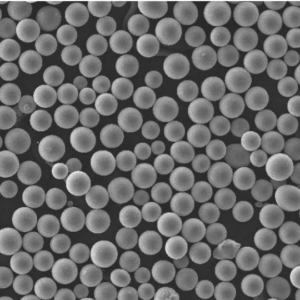
- Both spherical and irregular shapes are available
Controlling particle size distribution optimizes pressing characteristics and final sintered density.
CuSn10 Powder Apparent Density
CuSn10 Powder Apparent Density
| Schijnbare dichtheid | Details |
|---|---|
| Tot 50% ware dichtheid | For irregular morphology powder |
| 4.5-6.5 g/cc | Verbetert met een grotere pakkingsdichtheid |
- Higher apparent density improves powder flow and compactibility
- Density up to 60% is possible with optimized spherical powder
- High apparent density enables easier compaction into green parts
Een hogere schijnbare dichtheid leidt tot een betere productieproductiviteit en onderdeelkwaliteit.
CuSn10 Powder Production Method
CuSn10 Powder Production
| Methode | Details |
|---|---|
| Verneveling | Melted alloy stream broken into fine droplets which solidify into powder |
| Induction melting | Pure copper and tin melted together under controlled atmosphere |
| Inert gas atomization | Prevent oxidation of particles during production |
| Zeven | Classificeert poeder in verschillende deeltjesgroottebereiken |
- Automated atomization enables large scale production
- Controlled melting and atomization minimizes impurities
- Inert gas prevents powder oxidation
- Nabewerking maakt aanpassing van de deeltjesgrootte mogelijk
Strict process controls result in reliable powder quality and repeatable characteristics.
CuSn10 Powder Pricing
CuSn10 Powder Pricing
| Factor | Impact op de prijs |
|---|---|
| Zuiverheidsgraad | Higher purity increases price |
| Deeltjesgrootte | Finer powder is more expensive |
| Bestelhoeveelheid | Bulk pricing discounts apply |
| Productie methode | Complex processes increase cost |
| Aanvullende diensten | Maatwerk brengt kosten met zich mee |
Indicatieve prijzen
- CuSn10 powder: $8-12 per kg
- Lower prices applicable for bulk orders >1000 kg
Pricing varies based on order parameters like quantity, particle size, purity level, alloy composition etc.
CuSn10 Powder Suppliers
CuSn10 Powder Suppliers
| Bedrijf | Plaats |
|---|---|
| Kymera International | VS |
| Hoganas | Zweden |
| CNPC Poedergroep | China |
| Shanghai CNPC Powder Material | China |
| Gujarat Reclaim Industries | India |
| American Chemet Corporation | VS |
Selectiefactoren voor leveranciers:
- Powder sizes and lead time
- Customization capability
- Productiecapaciteit
- Packaging options
- Pricing levels
- Quality certifications and compliance
CuSn10 Powder Handling and Storage
CuSn10 Powder Handling
| Aanbeveling | Reden |
|---|---|
| Vermijd inademing | Potential respiratory irritation |
| Use protective mask and goggles | Voorkom accidentele inname |
| Zorg voor voldoende ventilatie | Reduce airborne particles |
| Ontstekingsbronnen vermijden | Brandbaar stofgevaar |
| Follow anti-static procedures | Voorkom brand door statische ontlading |
| Gebruik vonkvrij gereedschap | Avoids sparks during handling |
| Bewaar afgesloten containers op een koele, droge plaats | Prevent oxidation and moisture absorption |
Aanbevelingen voor opslag
- Store in stable, inert containers
- Keep away from acids, ammonia, acetylene
- Houd de temperatuur onder de 27°C
Proper handling and storage preserves powder purity and prevents reaction hazards.
CuSn10 Powder Inspection and Testing
CuSn10 Powder Testing
| Test | Details |
|---|---|
| Chemische analyse | ICP and XRF to verify composition |
| Deeltjesgrootteverdeling | Sieve analysis or laser diffraction |
| Schijnbare dichtheid | Hall flowmeter test per ASTM B212 |
| Poedermorfologie | SEM-beeldvorming van deeltjesvorm |
| Tik op dichtheid | Dichtheid gemeten na mechanisch tappen |
| Analyse van de stroomsnelheid | Zwaartekrachtdebiet door gespecificeerd mondstuk |
Stringent testing ensures the powder meets the chemical composition, physical properties, and microstructure required for the application.
CuSn10 Powder Pros and Cons
Advantages of CuSn10 Powder
- Excellent strength for a copper alloy powder
- Goede ductiliteit en vervormbaarheid
- Zeer goede corrosiebestendigheid
- Cost-effective compared to bronze grades
- Goede elektrische en thermische geleidbaarheid
- Recyclebaar en milieuvriendelijk
Disadvantages of CuSn10 Powder
- Lower conductivity than pure copper powder
- Moderate high temperature strength
- Heavy compared to aluminum or magnesium alloys
- Not suitable for highly stressed structural components
- Surface discoloration over time if uncoated
- Limitations for food contact applications
Comparison With CuNi10 Powder
CuSn10 vs CuNi10 Powder
| Parameter | CuSn10 | CuNi10 |
|---|---|---|
| Dikte | 8.8 g/cc | 8.9 g/cc |
| Kracht | 350-550 MPa | 500-650 MPa |
| Geleidbaarheid | 55 W/mK | 20 W/mK |
| Corrosieweerstand | Uitstekend | Erg goed |
| Kosten | Laag | Hoog |
| Toepassingen | Electrical, moderate load | High strength structures |
- CuSn10 provides better conductivity and cost
- CuNi10 has higher tensile strength
- CuSn10 preferred for electrical components
- CuNi10 suited for high strength structural parts
CuSn10 Powder FAQs
Q: What are the main applications of CuSn10 powder?
A: Main applications include bearing cages, bushings, welding rods, brake linings, antifriction components, and electrical contacts, connectors and brushes. It is commonly used in automotive and electrical products.
Q: Does CuSn10 powder require special handling precautions?
A: General precautions are recommended including avoiding inhalation, ensuring proper ventilation, controlling dust, preventing ignition sources, avoiding static charge buildup, using non-sparking tools, and storing in a dry, inert atmosphere.
Q: What affects the properties of CuSn10 powder parts?
A: Key factors are apparent density, particle size distribution, compaction pressure, sintering temperature and time, alloy composition, impurities, and porosity.
Q: What is the key difference between bronze and CuSn10 powders?
A: Bronze powders contain 90-95% copper while CuSn10 has 90% copper, 10% tin. CuSn10 provides an optimal combination of strength, ductility and cost.