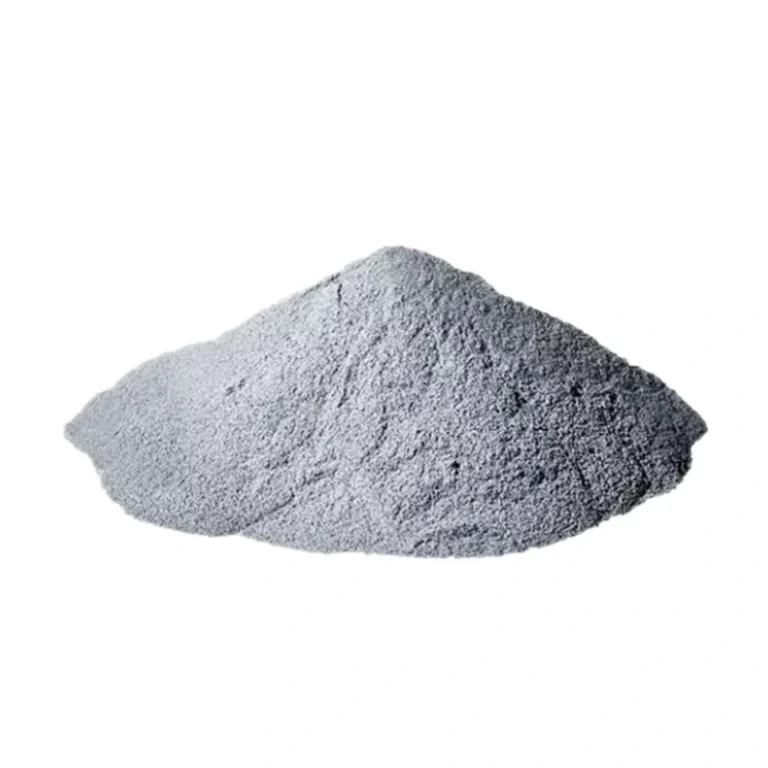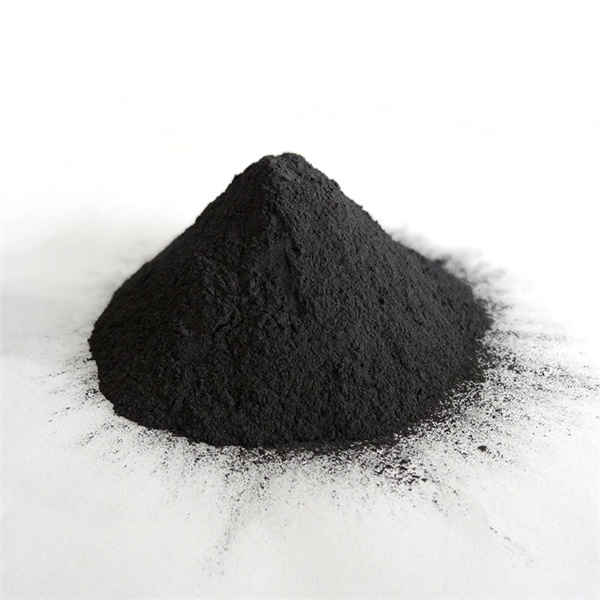
Refractory metal powders enable additive manufacturing of extremely heat resistant alloys unmatched by other materials. This guide covers refractory powder compositions, particle specifications, properties data, pricing, and comparisons to inform procurement decisions.
Introduction to Refractory Metal Powders
Key capabilities offered by refractory powders include:
- Withstand extremely high temperatures
- Retain high strength at temperature extremes
- Resist creep deformation and cracking
Common alloys used are:
- Tungsten heavy alloys like W-Ni-Cu
- Molybdenum TZM alloy
- Tantalum powders
This guide provides considerations when selecting refractory powders:
- Legeringssamenstellingen en productiemethoden
- Mechanische eigenschappen Testgegevens
- Aanbevelingen voor deeltjesgrootteverdeling
- Morphology, Density and Flow Characteristics
- Pricing Estimates Based on Order Volumes
- Oxidation and Corrosion Resistance Comparisons
- Pros vs Cons Relative to Solid Forms
- Veelgestelde vragen over het optimaliseren van afdrukparameters
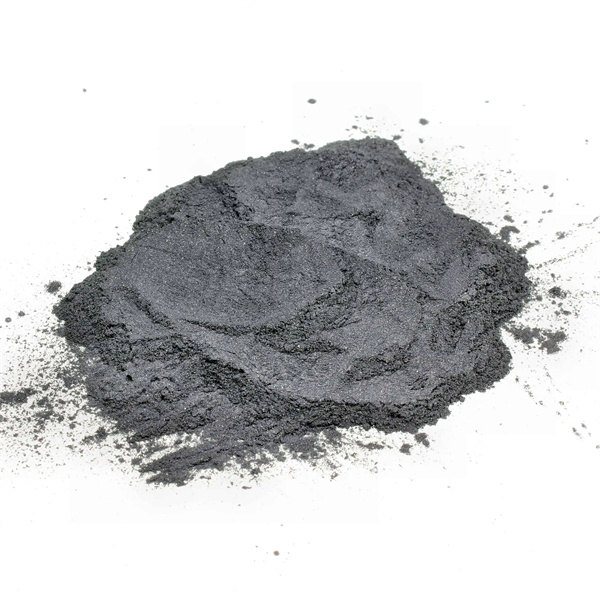
Refractory Metal Powder Compositions
Tabel 1 shows refractory metal powder compositions by primary elemental additions with some variation depending on alloy variant:
| Legering | Belangrijkste legeringselementen |
|---|---|
| Zware legering wolfraam | W, Ni, Cu, Fe |
| Molybdenum TZM | Mo, Ti, Zr |
| Tantaal | Ta |
Small additions of carbon, potassium, silicon and boron also stabilize microstructures and grain sizes tailored for high temperature creep resistance depending on operating conditions.
Mechanische eigenschappen en testmethoden
tafel 2 shows typical minimum mechanical properties met by refractory metal powder alloys, with actual values varying based on build geometry, post-processing, and heat treatment:
| Legering | Dikte | **Tensile Strength ** | Test methode |
|---|---|---|---|
| Zware legering wolfraam | 18 g/cc | 550 MPa | ASTM E8 |
| Molybdenum TZM | 10.2 g/cc | 485 MPa | ASTM E8 |
| Tantaal | 16,6 g/cc | 207 MPa | ASTM E8 |
Carefully validate delivered powder lot properties against certifications through sampling to ensure consistency.
Refractory Metal Particle Size Recommendations
Tabel 3 shows common particle size distributions used for quality refractory powders:
| Maatbereik | Typisch gaas | Algemeen afdrukbereik |
|---|---|---|
| Prima | -325 mazen | 15-45 micron |
| Standaard | -100 mesh | 149 microns |
| Ruw | -60 +100 mesh | 250 microns |
Other important powder characteristics:
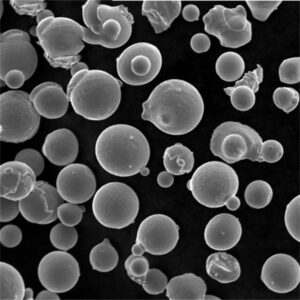
- Sferische deeltjesmorfologie
- Good flow rates exceeding 30s hall funnel time
- Apparent density within 5% of true density
- Low oxygen and moisture content
Balance high powder flowability against print resolution needs through particle size selection and distribution.
Powder Morphology, Density and Flow Properties
Tabel 4 compares powder characteristics between general quality levels that impact print process robustness:
| Parameter | High Quality Powder | Instap poeder |
|---|---|---|
| Morfologie | Zeer bolvormig | Jagged, irregular |
| Stroomsnelheid | Hall flow > 35s for 50g | Hall stroom < 25s voor 50g |
| Schijnbare dichtheid | > 90% werkelijke dichtheid | Vaak <80% ware dichtheid |
| Vochtgehalte | <0,01% | >0,02% |
Poor powder properties require extensive parameter adjustments to achieve print quality, reducing productivity.

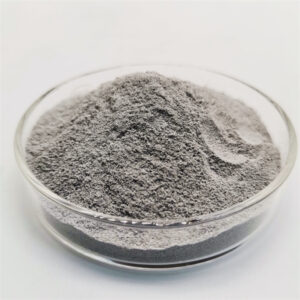
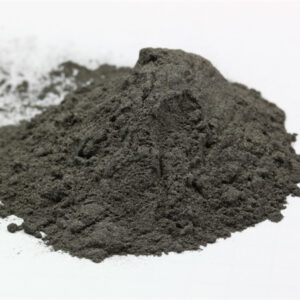
Refractory Metal Powder Pricing
Tabel 5 outlines rough refractory powder pricing under normal market conditions:
| Ordervolume | Prijsschatting |
|---|---|
| 10 kg | $450+/kg |
| 100 kg | $275+/kg |
| 500+ kg | $200+/kg |
| 1000+ kg | Subkey kortingen |
- Premium alloys command higher baseline pricing
- Bulk orders beyond 500 kg enable >40% price reductions
- Actual market prices tied to commodity indexes
- Carefully validate true yields vs usable fractions from suppliers
Oxidation and Corrosion Resistance Properties
Refractory metal powders offer extremely high melting points and stability in oxidizing environments:
Tabel 6
| Legering | Smeltpunt | Oxidatie weerstand |
|---|---|---|
| Zware legering wolfraam | 1400°C | Uitstekend |
| Molybdenum TZM | 2600°C | Uitstekend |
| Tantaal | 2996°C | Extreme |
Properties derive from high chromium, aluminum and silicon content creating tenacious oxide barriers preventing material loss even at extreme temperatures nearing melting points.
Pros vs Cons: Powder vs Solid Forms
Tabel 7
| Voordelen | Nadelen | |
|---|---|---|
| Vuurvast metaalpoeder | Complexe geometrieën | Hogere kosten |
| Uitstekende sterkte bij hoge temperaturen | Nabewerking | |
| Gewichtsvermindering | Parameteroptimalisatie | |
| Refractory Metal Solid | Lagere kost | Vormgrenzen |
| Beschikbaarheid | Very heavy | |
| Bewerkbaarheid | Materiaal afval |
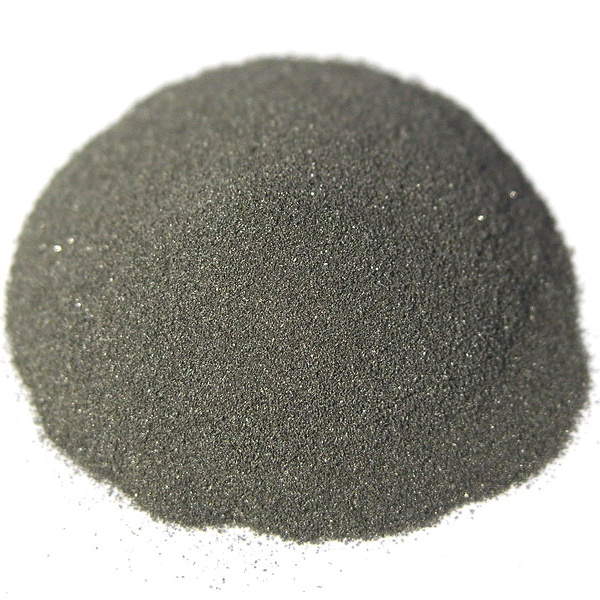
In general, refractory powders justify premiums for low volume complex components where thermal resistance is vital. Standard mill product forms offer affordability for simple shapes in high quantities.
Combining supply forms strategically reduces overall program costs.
Veelgestelde vragen
Tabel 8 - Veelgestelde vragen:
| FAQ | Antwoord |
|---|---|
| Moet ik testrapporten bekijken? | Yes, validate certification data indicates powder quality |
| What size powder particles should I use? | 15-45 microns balances resolution and flow |
| What impacts consistency? | Production method affects variability – vacuum melted is best |
| How much should I buy initially? | Start small, buy more once process is validated |
Tabel 9 - Toepassingsgericht advies:
| FAQ | Antwoord |
|---|---|
| How do I optimize for rocket nozzle components? | Use extra fine <10 micron W or Mo powders to print sub 2mm channels |
| Which post processing approach lowers porosity? | Hot isostatic pressing with inert atmosphere protects against oxidation |
| Which refractory alloy maximizes creep resistance? | Consider additions of potassium, silicon and boron in tungsten heavy alloys based on operating temperatures |
| How should I adjust parameters for ultra fine feature resolution? | Slow down scan speeds, increase hatch spacing, use smallest layer thicknesses machine allows |